
We like clean categories. They make complicated things feel manageable. In the world of substance use, those categories usually come down to two words: “addict” or “recovered.” You are either one or the other. You are broken, or you are fixed. That framing is simple, widely accepted, and fundamentally misleading, especially when it comes to methamphetamine.
Real life does not operate in binaries. It operates in gradients.
Methamphetamine use, in particular, exposes just how flawed these labels are. Not everyone who uses fits the same profile, and not everyone who stops using arrives at some permanent, stable endpoint. There are people who use occasionally, in certain environments, and still maintain jobs, relationships, and routines. There are others whose use becomes patterned, then habitual, then consuming. There are those who spiral quickly into daily dependence, and those who move in and out of use over months or years. These are not separate categories of people. They are positions on a shifting spectrum.
The problem with the word “addict” is that it freezes someone in place. It suggests a fixed identity, as if a person has crossed a line and become something permanent. But meth use does not work that way. People escalate. People pull back. People quit. People relapse. Sometimes they do all of those things in the span of a year. Calling someone an addict may capture a moment in time, but it fails to describe the movement that defines the experience.
The word “recovered” has its own issues. It implies completion, like a task that has been finished and checked off. But anyone familiar with methamphetamine use knows there is rarely a clean ending. There are periods of abstinence that look stable from the outside, followed by relapse that seems sudden but is often building quietly beneath the surface. If one return to use erases the label of “recovered,” then the label was never describing reality in the first place.
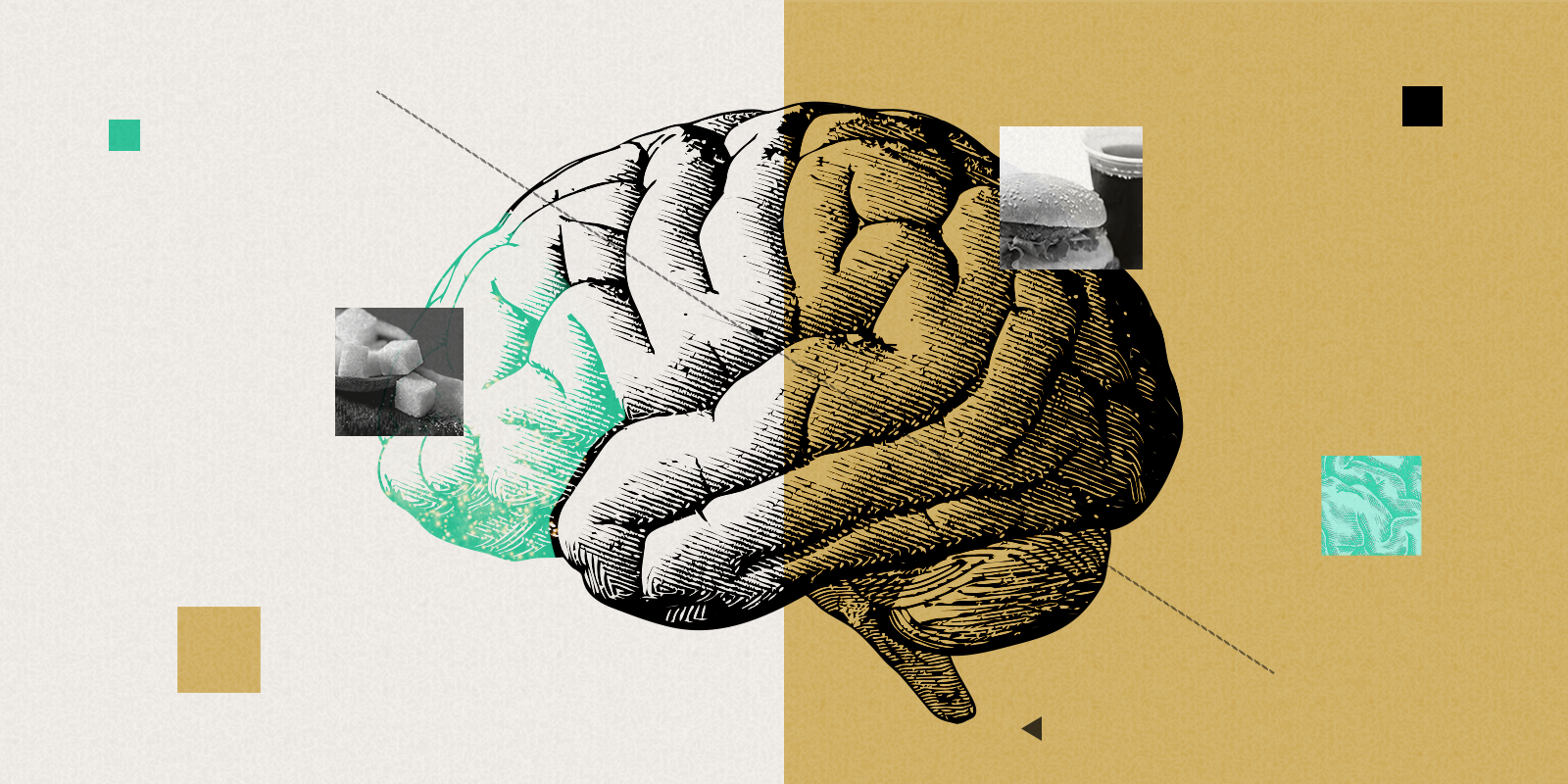
Relapse is often treated as failure, but that interpretation says more about our expectations than it does about the condition itself. Methamphetamine use is tied to deep changes in the brain’s reward system, along with environmental pressures, stress, and mental health struggles. Movement back toward use is not an exception to the rule. For many, it is part of the cycle. A spectrum model makes room for that reality. A binary model does not.
Even the way people use meth challenges the idea of a single identity. Some smoke it occasionally. Others inject it frequently. Some maintain a level of outward functionality for a period of time, while others lose stability quickly. These differences matter. They reflect varying degrees of risk, dependency, and impact. Yet all of these individuals are often grouped under the same label, as if their experiences are interchangeable. They are not.
None of this is to suggest that methamphetamine use is harmless or easily controlled. In fact, the opposite is true. Meth has a well documented tendency to pull people further along the spectrum toward compulsive use. What might begin as occasional or situational use can become something far more consuming over time. That progression is exactly why the spectrum matters. It shows how movement happens, not just where someone appears to be at a single moment.
If we shift away from rigid labels, the conversation changes. Instead of asking whether someone is an addict or recovered, we start asking where they are right now. Are they escalating or stabilizing? Are they at risk of relapse? What pressures are influencing their behavior? What kind of support would actually help? These are more useful questions, and they lead to more realistic responses.
There is also a human cost to the language we use. Labels like “addict” can reduce a person to their worst moments. “Recovered” can set an unrealistic expectation of permanence that does not hold up under pressure. A spectrum approach does not excuse behavior, but it does allow for complexity. It acknowledges that people are not static, even when their circumstances are difficult.
Methamphetamine use is not a simple story with a clear beginning and end. It is a shifting, often unstable process shaped by biology, environment, and choice. Trying to force that process into two opposing categories does not clarify it. It distorts it.
If we want a more honest conversation about addiction, we have to let go of the idea that people neatly fall into “addict” or “recovered.” The reality is less comfortable but far more accurate. People move. They change. They struggle. They stabilize. And sometimes they do all of those things at once.
That is not a failure of definition. It is the nature of the spectrum.