There’s a quiet lie that circulates in certain social circles: that there’s a clean line between “people who have a problem” and everyone else who just knows how to have a good time. In reality, that line is rarely clean. It’s blurry, movable, and often invisible until you’ve already crossed it.
Among gay men in particular, drug use can sit in a complicated space. It’s tied to nightlife, sex, connection, confidence, and sometimes even identity. Substances like methamphetamine, ketamine, and GBL don’t just show up randomly. They’re woven into environments where intensity is normalized and limits are easy to override. What starts as occasional, intentional use can slowly become something the body begins to expect, then depend on.
Casual use is often defined by control. You decide when, where, and how much. It’s compartmentalized. It doesn’t interfere with your ability to function, maintain relationships, or feel stable without it. At least, that’s the idea. Addiction, on the other hand, is less about frequency and more about relationship. It’s when the substance begins to dictate terms. When your mood, energy, confidence, or sense of normalcy starts to hinge on whether you’ve used or not.
The tricky part is that the transition between those two states rarely feels dramatic. It’s not a sudden collapse. It’s incremental. You go from weekends to long weekends. From special occasions to any occasion. From using socially to using before socializing, then eventually to using regardless of whether anyone else is around.
In many gay male spaces, particularly those centered around nightlife or sexual exploration, there’s an unspoken reinforcement of this progression. Being a “weekend warrior” can be worn almost like a badge. There’s humor in pushing limits, in staying up longer, in needing less sleep, in being able to handle more. But the body doesn’t share that sense of humor.
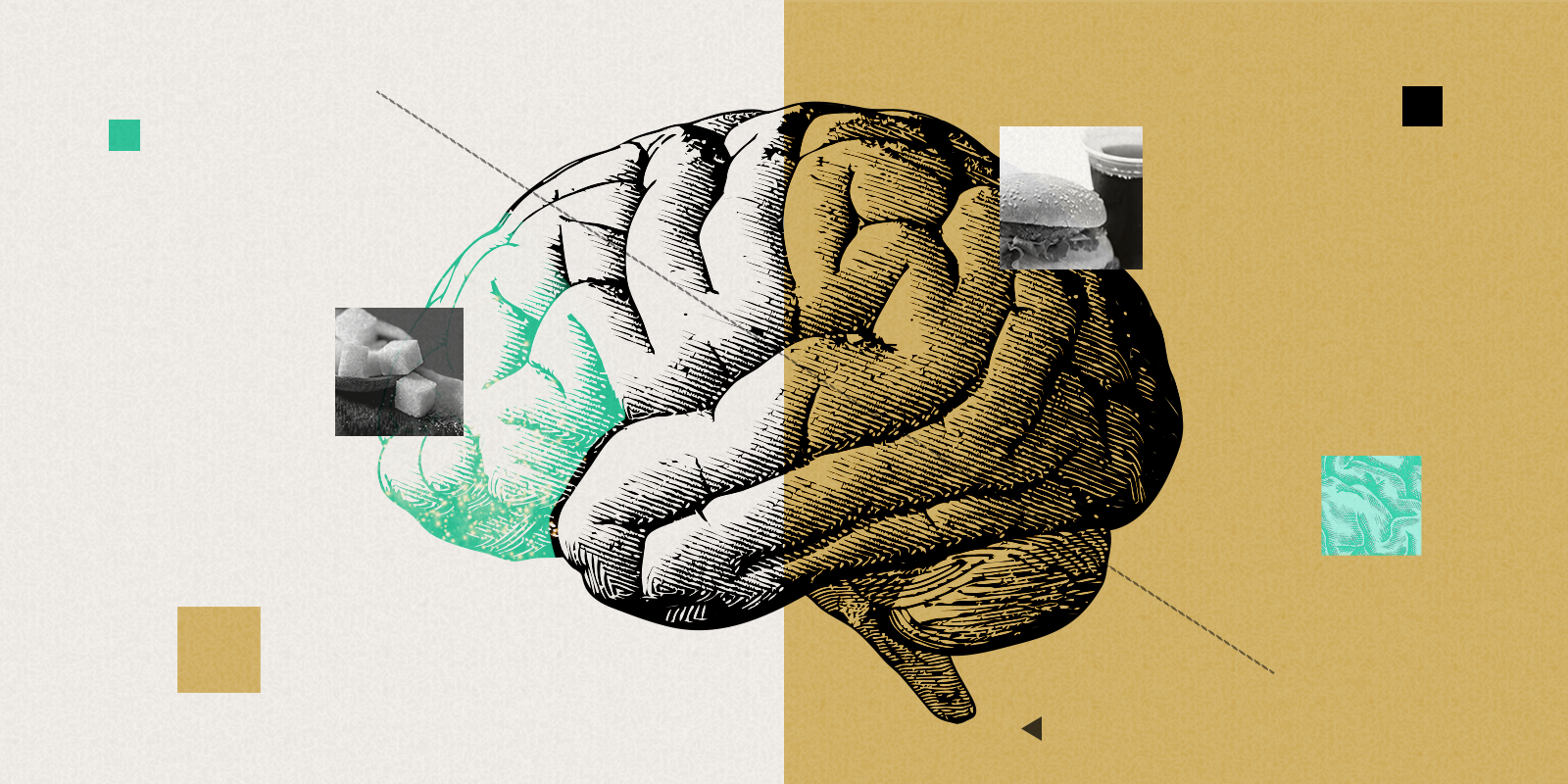
Methamphetamine, for example, doesn’t just amplify energy and confidence. Over time, it rewires how the brain experiences reward and motivation. What once felt like a boost becomes the baseline. Without it, everything can feel flat, slow, or empty. Ketamine, often framed as more detached or even therapeutic, can quietly erode emotional processing and create a need for escape rather than engagement. GBL, with its rapid onset and short duration, can train the body into cycles of repeated dosing that feel manageable until they’re not.
The common thread isn’t the specific drug. It’s the shift from enhancement to dependence. From adding something to your experience to needing something just to feel normal.
I’ve seen that shift firsthand. What started as casual weekly use turned into chronic addiction with daily use. Not just daily, but all day, for nearly five years. On the surface, it didn’t look like what people expect addiction to look like. I was high functioning. I held onto a career. My finances stayed intact. Most family and friends had no idea. From the outside, it was easy to believe everything was under control.
But that version of addiction is the exception, not the rule. Functioning can mask the problem, but it doesn’t neutralize it. Underneath the structure and routine, the dependence was still there, shaping decisions, narrowing priorities, and quietly redefining what “normal” felt like.
Culture plays a role here that’s easy to underestimate. When your social environment normalizes frequent use, it distorts your internal gauge. If everyone around you is doing the same thing, it becomes harder to recognize when your own patterns are changing. What might otherwise feel like a warning sign gets reframed as typical behavior.
There’s also a deeper layer. For many gay men, substances can act as a shortcut to things that feel harder to access otherwise. Confidence, intimacy, reduced inhibition, a sense of belonging. When those needs are being met chemically, it can mask underlying gaps. The danger isn’t just the drug itself, but what it replaces.
A key difference between casual use and addiction shows up in how the body responds without the substance. If you can step away and still feel like yourself, still function, still find enjoyment or connection, that’s one thing. If stopping leads to anxiety, irritability, emptiness, or a sense that something is fundamentally off, that’s something else entirely. The body is signaling that it has adapted.
None of this means that everyone who uses will become addicted. But it does mean the idea of being permanently in control is often overstated. Control isn’t a fixed trait. It’s something that can erode, especially in environments that reward excess and blur boundaries.
The more honest framing isn’t “addict versus non-addict.” It’s a spectrum of relationship. Where are you on it, and is your position stable, or slowly shifting?
That question tends to cut through the noise. Because the answer isn’t found in how often you use, or what you call yourself. It’s found in whether the substance is still something you choose, or something your body has started choosing for you.